Dual Aspects Safety
Dual Aspects Safety
  • Home
  • About us
  • Services
  • Contact
  • More
    • Home
    • About us
    • Services
    • Contact
Get in touch
  • Home
  • About us
  • Services
  • Contact
Get in touch

Legionella Risk Assessments


Protect your building occupants and ensure compliance with health and safety regulations through our comprehensive Legionella Risk Assessment Service.

Legionella bacteria can thrive in water systems such as cooling towers, hot and cold-water storage tanks, and pipework, posing a serious risk of Legionnaires’ disease if not properly managed. Our service is designed to identify, evaluate, and control potential sources of Legionella within your premises.

Our assessment includes:

  • Detailed Site Survey: Inspection of all water systems, including domestic hot and cold-water services, cooling systems, and any process water systems. 
  • System Schematic & Asset Register: Creation or review of system diagrams to understand flow and risk areas. 
  • Temperature Monitoring & Sampling: Verification of water temperatures and optional microbiological sampling to detect Legionella presence. 
  • Risk Evaluation: Identification of stagnation points, scale, corrosion, and biofilm conditions that support bacterial growth. 
  • Management & Control Recommendations: Practical, cost-effective control measures tailored to your building’s systems. 
  • Compliance Reporting: A fully documented risk assessment report compliant with HSE  ACOP L8, HSG274, and HTM 04-01 (for healthcare environments). 

Fire Risk Assessments
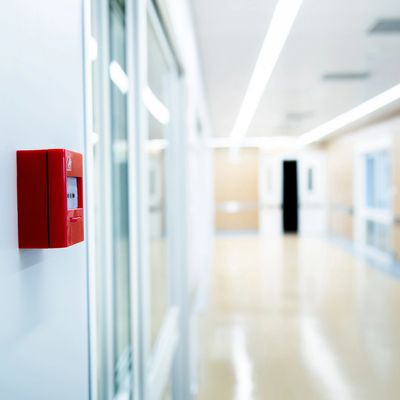
 A Fire Risk Assessment is a detailed inspection and evaluation of a building to identify potential fire hazards, assess the level of risk to people and property, and determine the measures needed to prevent fire and ensure safe evacuation in the event of one.

It is a legal requirement under the Regulatory Reform (Fire Safety) Order 2005 for all non-domestic premises, including offices, shops, schools, factories, and communal areas of residential buildings.

The Purpose of a Fire Risk Assessment

The main aim is to:

  • Identify fire hazards such as ignition sources, fuel, and oxygen.
  • Determine who may be at risk, including employees, visitors, and vulnerable individuals.
  • Evaluate existing fire safety measures and identify any improvements needed.
  • Ensure there are suitable means of detection, warning, and escape.
  • Provide a clear action plan to reduce or eliminate fire risks.

What the Assessment Covers

A competent fire risk assessor will examine areas such as:

  • Building layout and fire compartmentation.
  • Fire alarm and detection systems.
  • Emergency lighting and signage.
  • Firefighting equipment (e.g., extinguishers, sprinklers).
  • Evacuation procedures and staff training.
  • Fire safety management and record keeping.

Why It Matters

Regular fire risk assessments not only ensure compliance with fire safety law but also help protect lives, minimise property damage, and maintain business continuity. The assessment should be reviewed regularly — typically every 12 months.

Copyright © 2025 Dual Aspects Safety - All Rights Reserved.

Powered by

This website uses cookies.

We use cookies to analyze website traffic and optimize your website experience. By accepting our use of cookies, your data will be aggregated with all other user data.

DeclineAccept